
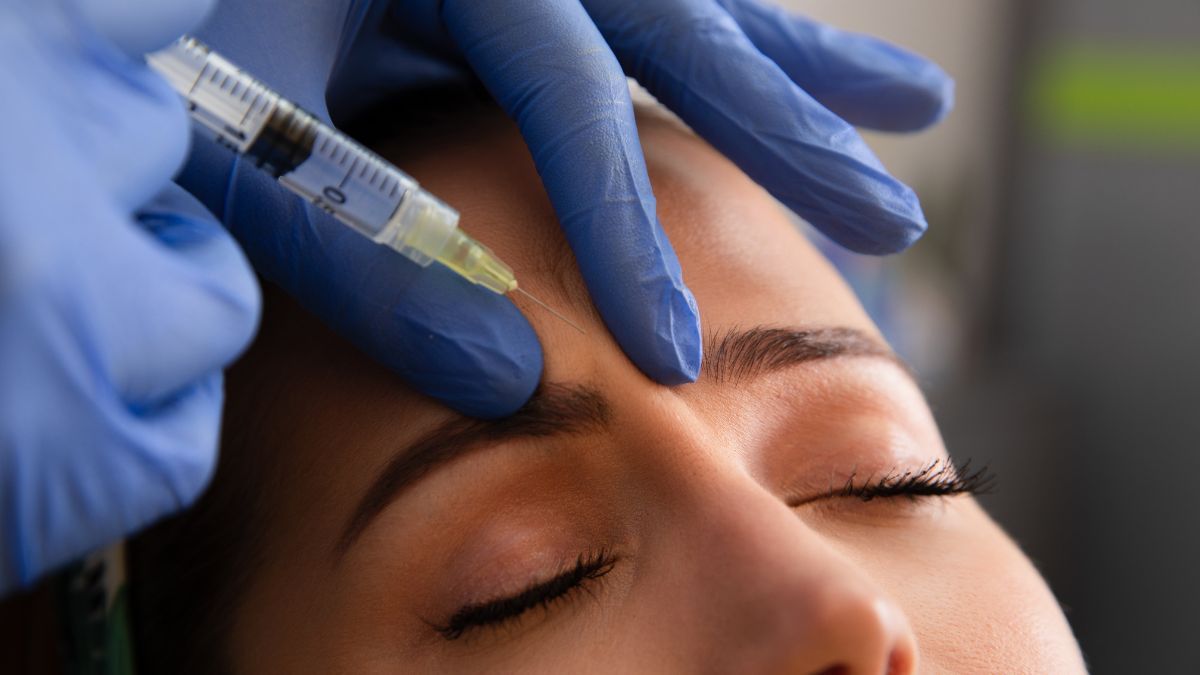
“This article explains how individual facial anatomy including muscle interactions, bone symmetry and skin thickness determines Botox results. It highlights why personalized assessments from qualified injectors are essential to achieve natural, refreshed outcomes instead of rigid, standardized results.”
If you have ever wondered why two people receiving the exact same dosage of neuromodulator can walk away with drastically different outcomes, the answer comes down to human anatomy. Botox is not a surface level treatment or a cosmetic paint applied to a canvas. It is a biological agent that interacts directly with a complex, dynamic framework of muscle, fat, bone and skin. For patients seeking Botox UES practitioners routinely emphasize, achieving a subtle, refreshed appearance rather than a frozen look requires mapping injections to your unique structural landscape.
The Tug of War: Elevators vs. Depressors
To understand how treatment works, you first need to understand how your facial muscles interact. Your expression relies on a constant balance between elevator muscles, which pull tissues upward and depressor muscles, which pull them down.
- The Frontalis and Brow Dynamics: The frontalis is the broad muscle across your forehead and the only muscle responsible for lifting your eyebrows. Surrounding it are depressors, such as the corrugators between your brows and the orbicularis oculi around your eyes. If an injector places too many units into the lower frontalis without balancing the surrounding depressor muscles, the forehead muscle loses its ability to hold up the brows. The result is a heavy, hooded sensation over the eyes
- Crow’s Feet and the Eye Muscle: The orbicularis oculi acts like a circular sphincter muscle around the eye. Treating this area requires extreme precision regarding depth and position. Injecting too low can affect the muscles responsible for lifting your cheeks when you smile, leading to an unnatural smile, while placing it too deep can alter tear film distribution
- The Masseters and Jawline Contouring: The masseter muscles along the jawline are thick, powerful chewing muscles. Because their size and depth vary drastically from person to person, slimming the lower face or treating TMJ tension requires a careful assessment of muscle volume. Placing the product too close to the surface or too far forward can inadvertently weaken neighboring expression muscles, such as the risorius, which pulls the corners of the mouth sideways
Bone Structure, Fat Pads and Skin Thickness
Muscles do not work in isolation; they rest on a foundation of bone and beneath layers of superficial fat and dermis. These secondary factors heavily influence your final aesthetic outcome.
- Facial Asymmetry: Virtually no human face is perfectly symmetrical. Variations in orbital rim height, brow bone projection, or bone density mean that muscle movement patterns differ from the left side of your face to the right. To achieve a harmonious look, skilled injectors rely on the art of balance to enhance facial symmetry with Botox, adjusting unit counts customly to correct natural unevenness.
- Skin Quality and Age: In younger people, because of the skin being elastic, relaxing a muscle causes the elimination of surface lines soon. In older skin collagen and elastin lose function and dynamic lines turn into static wrinkles. Thus, by paralyzing the muscle completely, one may only reveal the problem
- Tissue and injection depth: The human face has different thicknesses in terms of skin, small surface lines may require superficial micro doses while deeper and thicker wrinkles will need to be targeted with intramuscular injections instead
Why Standardized Unit Protocols Fail
A common mistake in non customized aesthetic care is relying on fixed, cookie cutter unit totals such as applying the exact same 20 units to every patient's forehead. Facial movement is individual. A heavy frowning habit or stronger facial expressions demand a different approach than subtle movement patterns.
Furthermore, unwanted side effects like eyelid ptosis (a droopy eyelid) are rarely a defect in the product itself. They are almost always the result of an anatomical mapping error, where the product diffuses into neighboring structures like the levator palpebrae superioris muscle. Preserving natural movement while softening lines requires an understanding of how micro movements contribute to your overall expression.
Selecting an Anatomically Focused Provider
Because your facial structure is unique, selecting an experienced injector who conducts thorough diagnostic consultations is critical. A proper assessment should never consist of an injector walking in and immediately picking up a syringe.
An expert provider will ask you to make various facial expressions, frowning, squinting, raising your brows and smiling to map out your exact muscle strength and movement vectors. They will physically examine the density of your facial tissue and measure the distance between your brow and eye frame before deciding on dosage and placement. Additionally, follow up visits around two weeks post treatment allow the provider to evaluate how your specific anatomy responded and fine tune the results accordingly.
Conclusion
The Practice of Botox Is Based Fully in Human Anatomy I then began to realize that if you look at the face as one dynamic unit made up of muscle, bone and soft tissue, you can get away from the frozen, 'cookie cutter' results and head towards a more personalized, natural and refreshed appearance. When seeking treatment, find an injector who is more focused on anatomy than cookie cutter treatments.
Disclaimer
This article provides general information about Botox and does not offer medical advice. This information is for educational purposes and does not promise specific results. Consult a qualified medical professional like Beaute Aesthetics to determine suitable treatments and understand potential risks.